The next phase of South Africa’s response to gender-based violence and femicide is moving from statements of alarm to a harder question: what, exactly, is being funded?
On Tuesday, 22 September, Parliament’s Standing Committee on Appropriations said it would scrutinise the money behind government’s response to gender-based violence and femicide (GBVF), following the discovery of nine women’s bodies in Kempton Park and other parts of Ekurhuleni. The committee says it will formally invite the Minister of Social Development and engage the Minister of Police on both the plans and the funding available to confront the crisis.
The intervention matters because GBVF has already been classified as a national disaster. That classification, made in November 2025, was intended to strengthen coordination across government and push departments to activate existing prevention, policing, justice and survivor-support mechanisms. Nearly a year later, the Ekurhuleni killings have sharpened a question that civil-society organisations have been asking for months: has the classification translated into resources where women actually encounter the state?
From national disaster to budget test
Committee chairperson Mmusi Maimane said Parliament wants to establish whether sufficient funding has been allocated and whether those resources are being used effectively. The committee also pointed to the pressure on policing: Parliament’s statement cites a police budget of roughly R127 billion for 2026/27 while noting a national ratio of about one police officer for every 427 residents.
That does not mean the Ekurhuleni deaths have been established as one connected series. Police have repeatedly cautioned against assuming that all nine cases share the same perpetrator or motive. Two women have been charged in connection with the killing of Jabulile Ntimba, the ninth victim found in the area, while investigations into the wider deaths continue.
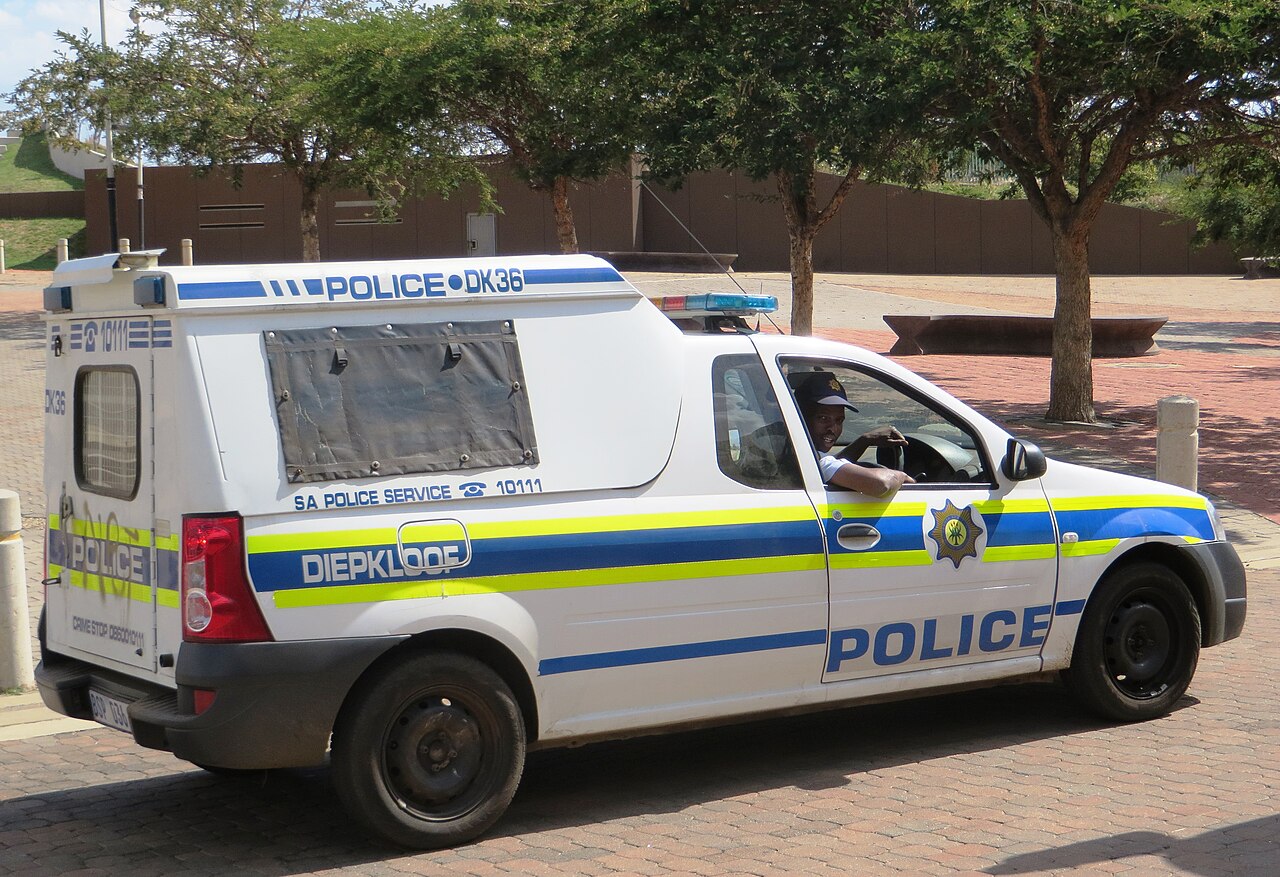
What has changed is the level of institutional attention. An expanded Operation Shanela has been deployed in Ekurhuleni, incorporating metro police and other enforcement activity. President Cyril Ramaphosa has also said government intends to deploy more money, resources and technology to the fight against GBVF, while an inter-ministerial committee develops further measures.
The gap between allocation and protection
For Parliament, the issue is now not simply whether GBVF appears in departmental plans, but whether budgets are aligned with the work required: visible policing, investigation, prosecution, shelters, psychosocial services, prevention programmes and community-based support.
That distinction is important. A national-disaster classification does not automatically create a single new pot of emergency money. Government said when GBVF was classified in 2025 that the mechanism was designed to strengthen coordination through existing legislation and contingency arrangements rather than invoke emergency powers. It therefore places greater pressure on departments to show how ordinary budgets are being redirected, coordinated and measured against outcomes.
The Nelson Mandela Foundation made a similar argument this week, calling for greater accountability over whether the disaster classification has produced a sustained and adequately resourced response. Its intervention reflects a wider frustration: South Africa has developed strategies, councils, laws and public campaigns around GBVF, but women continue to experience a profound gap between policy architecture and everyday safety.
Why the Ekurhuleni cases have changed the conversation
The discovery of nine women’s bodies over roughly two months has become a national focal point not only because of the brutality of the deaths, but because of what followed: fear, public mourning, memorial runs, pressure on police and renewed scrutiny of the state’s long-running promises on femicide.
Parliament’s decision to examine the funding response is therefore a meaningful escalation in oversight. It creates a route for ministers to be questioned not only about intentions, but about line items, staffing, implementation and measurable results.
For CREATIVE KONG, the significance is less about another promise than the test that follows it. If the national-disaster classification is supposed to make government move differently, the budget should reveal where that difference is real — and where it is still only language.
What happens next
The Standing Committee on Appropriations says it will bring the relevant departments into the process and will write to other National Assembly committees so that GBVF funding remains on Parliament’s agenda. No hearing date was specified in the 22 September statement.
The Ekurhuleni investigations, meanwhile, remain active. Any suggestion that the nine killings are the work of one perpetrator remains unconfirmed unless police establish that link.